

WRITING
FEATURED ARTICLES

And the Two Shall Become One
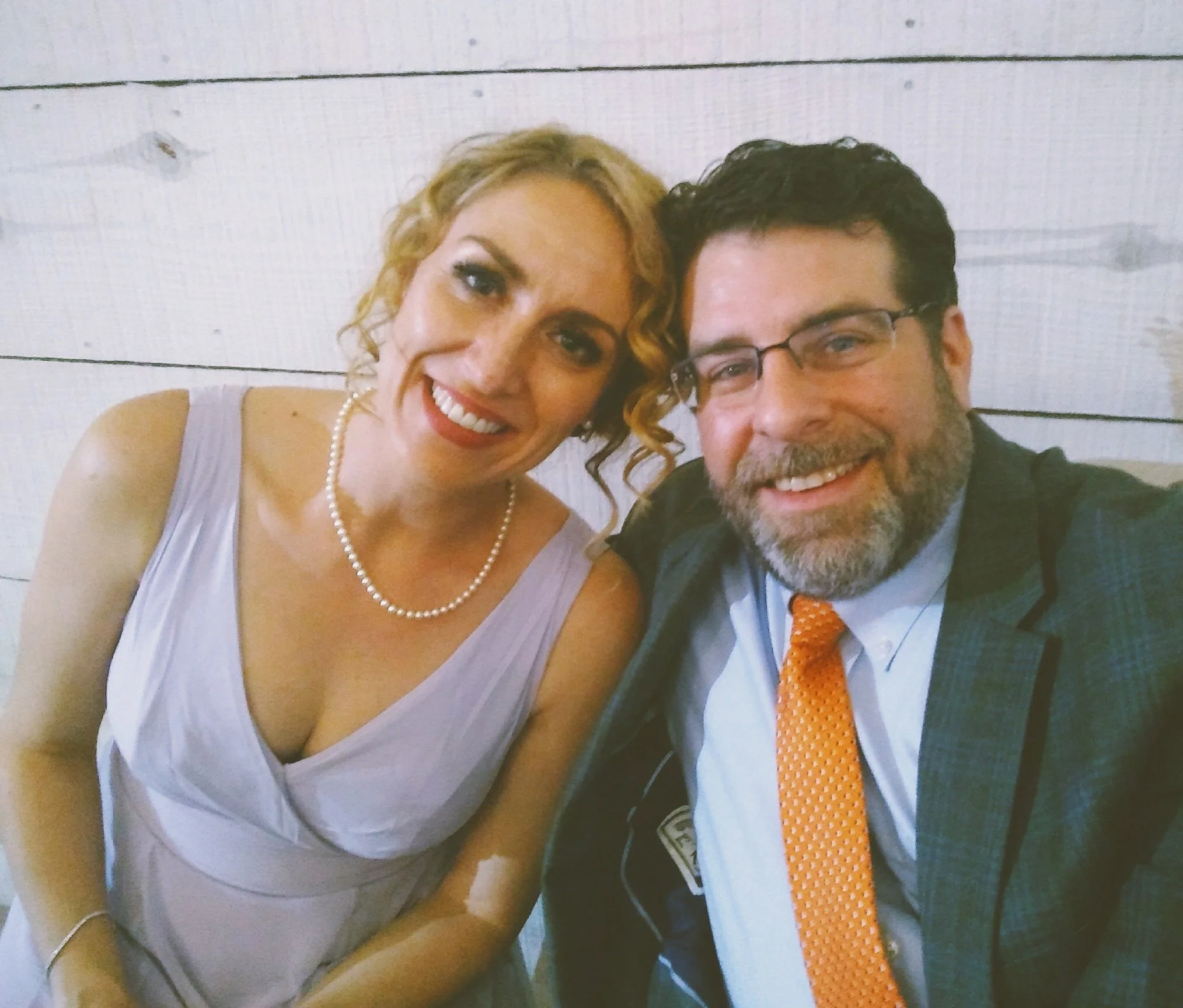
After being married to the same person for 17 years, I am beginning to understand why marriage is so important to God, so sacred. In a world full of disposable relationships, ghosting and unfriending have become our go-to methods of relationship management. We pick people apart; god-breathed, beautiful, and fearfully made souls, discarding and shelving them for the most arbitrary of reasons. Oftentimes we take the easy way out. To stick with someone through all of their junk is just plain hard.
The Art of Subtraction
We nod our heads in agreement when we hear the phrase “two shall become one” in reference to marriage. We like the way that sounds. We think we even agree with it, and we think we know what that means. I marry him, he marries me, and we take two lives and bring them together and try to make them work compatibly until death do us part. But many of us, if we are honest with ourselves, think of marriage more as addition. 1 + 1 = 2. Me plus one. Two people sharing the load, experiencing life together. Two sets of ideas. Two heads are better than one.
But the Bible is clear: Over and over again, we see that God’s idea of marriage is the union of two into one new, indivisible, and holy union. It’s not addition; it’s subtraction.

Attitude Check at 8000 Feet
On a recent cloud-filled flight with my husband the pilot, I discovered the concept of spatial orientation. Spatial orientation is the innate ability of any living thing to determine its relative position to the surrounding environment and regulate its body and posture accordingly. In aviation, spatial orientation is crucial, a literal matter of life and death, as pilots must maintain proper positioning of their aircraft to avoid crashing. Humans naturally and easily maintain spatial orientation on the ground; three-dimensional flight is unfamiliar to our bodies, unsuitable for an inflight environment. After all, we are not birds, and our human senses experience conflict in the air, especially in less than ideal conditions.